Essential Elements in Planning an Reliable Professional Sound Distribution Solution
Wiki Article
Designing an efficient professional audio distribution system is essential for any business that depends on sound to improve the client experience. This system enables organizations to transmit music, announcements, and other audio content to multiple areas within a location. Fundamental elements in creating a successful audio distribution system include an awareness of sound quality, suitable equipment selection, strategic layout planning, and ongoing maintenance practices. These elements work together to guarantee that the audio system meets the specific needs of the space and the audience.
Sound quality is one of the most important components of an audio transmission system. Clear sound optimizes the listening experience for customers and can create a positive atmosphere. Aspects such as speaker types, amplification systems, and sound dynamics all contribute in attaining well-defined and even sound. Companies should look into investing in commercial-quality speakers that are well-suited for their space. For example, open venues might utilize rugged speakers, while hallways may achieve better results with surround sound systems. Ensuring that all components are compatible and well-matched is crucial for consistent performance.
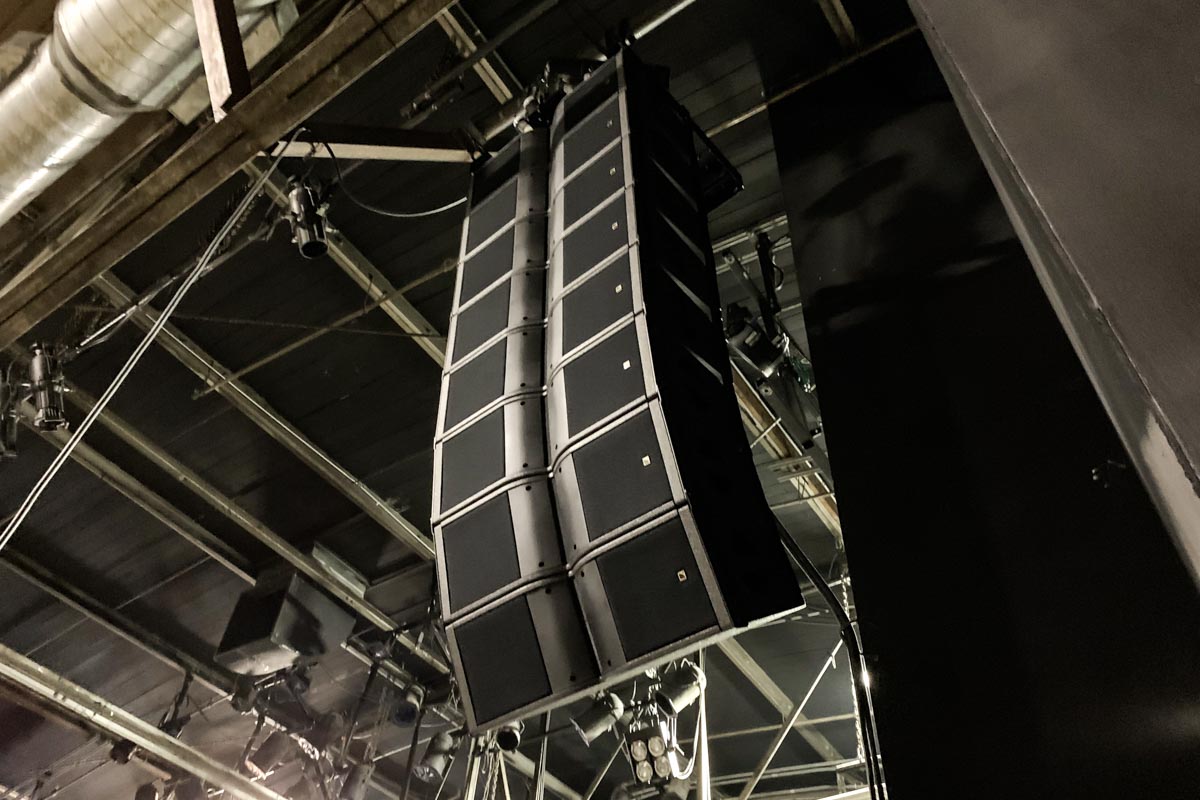
The determination of audio components holds a essential function in the published here performance of the audio network. This includes sourcing the right mixing consoles, amplifiers, and sound sources. Organizations should assess their unique audio requirements before approving investments. For instance, a shop might utilize different devices than a eatery or meeting venue. Additionally, implementing advanced systems can expand usability. Distribution solutions that enable virtual operation or syncing with smart controls can ensure adaptability in controlling audio programming and audio balance throughout distinct zones.
Organizing the configuration of the audio broadcast system is another essential part. A strategically planned configuration guarantees that sound is smoothly distributed across all spaces without any coverage gaps or distortion in certain zones. This includes strategic installation of speakers and understanding of how sound moves in each setting. Aspects such as dimensions, layout, and materials can change resonance. Conducting an audio evaluation can enable identify the ideal spots for speakers to ensure superior sound reach throughout the venue.
In conclusion, scheduled care is vital to ensure an audio broadcast system performing effectively. Maintenance involves scheduled evaluations on systems functionality, fixing any faults without delay, and maintaining software when required. Instructing staff on how their website to control the system properly can also avoid system failures and enhance the operational life of the equipment. By emphasizing regular upkeep, organizations can deliver reliable audio clarity and eliminate technical issues that could reduce the customer satisfaction.
In summary, designing an efficient business audio delivery system demands thoughtful evaluation of acoustics, device configuration, installation strategy, and preventive care. When these aspects are managed professionally, organizations can improve their space with exceptional audio quality for their clients. Investing in a well-designed audio system not only optimizes interaction but also establishes a pleasant ambiance that can boost client satisfaction.